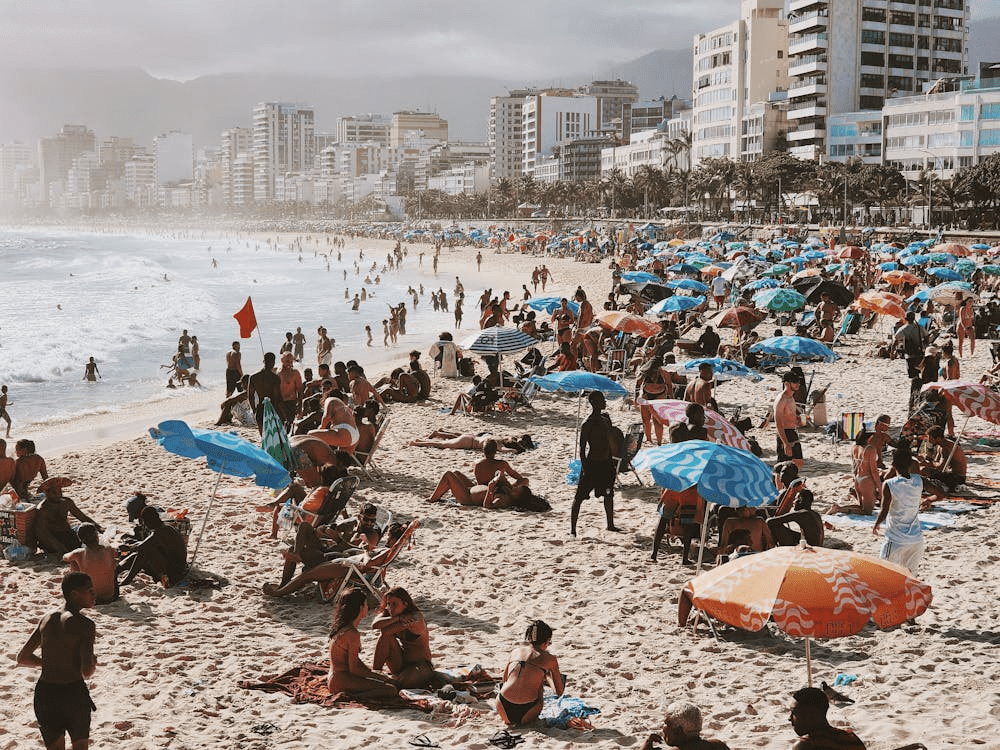
Many PR agencies have to manage and address the price of over-tourism in the cities and countries they are promoting. This might not be a prominent issue in some locations, but many, such as Venice, Barcelona, Kyoto, Amsterdam and many more for example deal with high levels of congestion as tourism increases.
Over-tourism is “when too many visitors converge on the same destination,” as Sustainable Travel International, senior manager, communications & trainer Kaitlyn Brajcich explains. “It can lead to severe overcrowding, degrading the visitor and resident experience.” Lines for attractions or the city’s landmarks have long queues, traffic increases, quality of life goes down for the city’s locals, and tourists become frustrated.
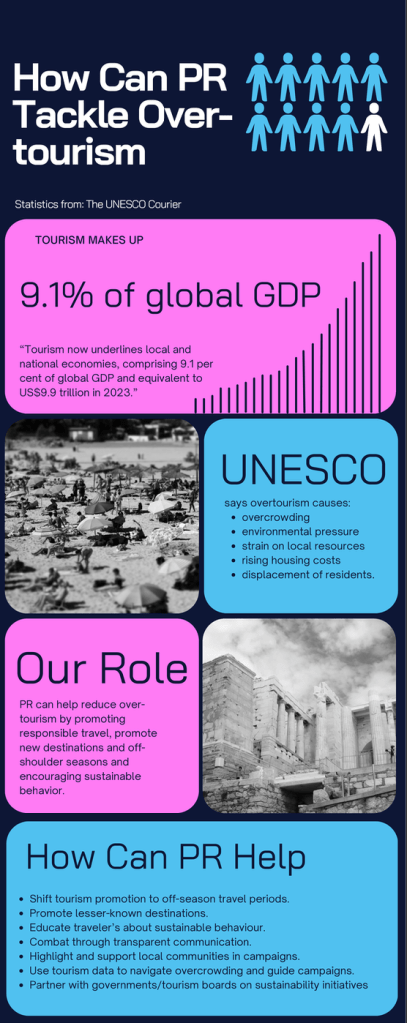
Simone Lambert, wrote a column for UNESCO, a U.N. agency famous for protecting global heritage, explained: “In Bali, Indonesia, the effects of overtourism are evident in the increased cost of living, and cultural clashes are common when tourists transgress on sacred places. Public infrastructure has not kept pace with increased demands; this can be seen in traffic jams in tourist areas, and in meeting demand for dwindling water resources.”
Other issues include, but aren’t limited to, impacts on local environments due to overcrowding from tourism, cultural erosion, issues keeping up with sanitation practices, and overdependence on a location’s level of tourism each year.
How can PR agencies working in the realm of travel help combat over-tourism as this influx increases? Colleen Onuffer wrote a blog for Travel Alliance Partnership that gave some useful key insights on the topic, many of which I was curious about.
Onuffer mentioned promoting second- and third-tier cities. Use this to your advantage and pitch stories around destinations that many might not have ever thought of visiting. Pitch in some undiscovered activities, “promoting off-the-beaten-path experiences.” Pitching your own over-tourism solutions, as many editors are interested in hearing new ways and creative solutions against over-tourism and how to combat it. Shoulder seasons and atypical times: “Some destinations (or events) simply can’t stop the masses. But you can encourage visitors to choose a different time of day or year to come.”
Some other solutions that I thought about are promoting campaigns around local culture and its environments, a sort of “leave no trace” approach. Really focusing on social media as a go-to for addressing the over-tourism situation in different locations, and influencer collaborations that could influence audiences on changing their travel approach. Community focused storytelling, which I have used in the past, has gotten a lot of responses in past publications. It’s important to make your audience feel what you’re trying to convey.
If possible, other smart moves would be partnering with governments and tourism boards to help build public understanding. Of course, analyzing travel patterns and overcrowding trends, while using visuals when addressing it to your audience.
About the Author
Hi there, I’m Daria, a public relations student at the University of Oregon, columnist and passionate traveler. I’ve worked in Tokyo’s media industry creating and strategising content for international audiences, with a love for how travel shapes communication and storytelling.


Leave a Reply