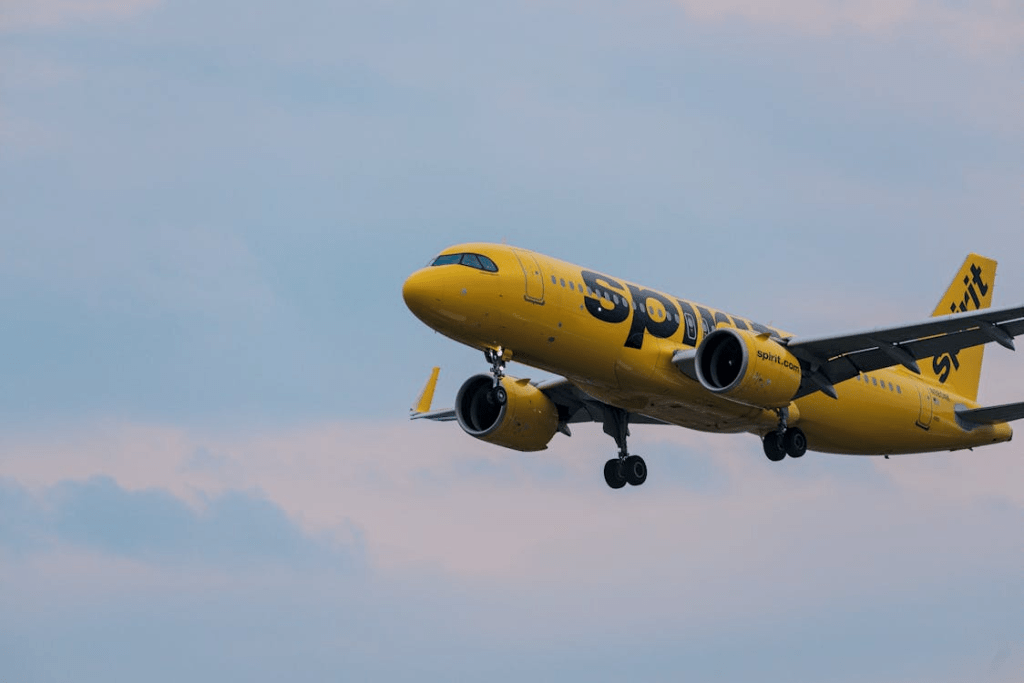
Early May 2026, Spirit Airlines announced that they were ceasing operations after filing for bankruptcy for the second time as gas prices skyrocketed and a government bailout was not reached. This impacted travelers globally as trips, vacations and return flights came to a halt abruptly, leaving Spirit employees jobless and airlines such as Southwest, United, American, JetBlue and Frontier to pick up the slack on last-minute flight changes, as stated by Leslie Josephs and Azhar Sukri with CNBC.
In terms of public relations, it turned into a natural disaster relatively quickly. Internal communications struck major hardship, and anger arose when a former flight attendant specifically faulted management for not communicating with employees the closing day.
The public statement that the PR team made offered little to nothing. Spirit’s official statement read: “It is with great disappointment that on May 2, 2026, Spirit Airlines started an orderly wind-down of our operations, effective immediately,” as stated by Joel Rose with NPR. After this, there was no real guidance on refunds, rebooking or next steps included.
Overall, there was poor long-term planning, according to Jeremy Sodergren with PR Week. This shutdown was last minute, and communications experts argued the collapse provided a lesson in systemic leadership failures and poor long-term planning. Without a solid plan or groundwork for this kind of occasion, it was left up to last-minute decisions.
This left travelers in a state of panic as many had their flights canceled, including their return flights during layovers. This created a negative perception of Spirit Airlines, possibly discouraging the urge to travel during difficult times when airline fuel prices and increased ticket costs continue to rise.
So what can PR specialists in this sector do to relieve the stress of current or future travelers? Whether it’s airline PR teams or travel company PR teams, taking initiative and reaching out to the public is the best way to neutralize anxiety for future endeavors. Spirit’s collapse is a masterclass in what shouldn’t be done, but there is a lesson to be taken from it.
Silence is never the best message. Leaving staff and customers in the dark kills reputation and creates a disaster of its own. Staff only received two emails during this time, and many weren’t even aware until the last minute. When an organization goes quiet during a crisis, people fill the void with backlash and anxiety. Proactive, even imperfect, communication beats silence. Messages that explain the situation clearly, are straight to the point and provide resources, even under time constraints, are the best route.
Even though this was Spirit’s final send-off message, their reputation still could have been salvaged if it didn’t read as: “To our Guests: all flights have been cancelled, and customer service is no longer available.” Spirit was known for being an efficient, affordable airline anyone could rely on, and they completely lost that in their messaging. Southwest, United and others immediately issued structured, human messaging with clear next steps for stranded travelers. Humanized, compassionate messaging and a formal apology, in this context, could have been the better approach.
Prioritizing internal communications is PR 101, yet Spirit’s approach lacked that completely. One of the most damaging moments from the collapse was employees learning they had lost their jobs through a middle-of-the-night email, after customers had already seen news reports. PR teams should always ensure employees are informed first, so they are not blindsided by public announcements.
A strong contingency communications plan before you need it is essential. Spirit executed its collapse supported by FTI Consulting, and experts argued that the collapse was a lesson in systemic leadership failures and a lack of long-term planning. Had the communications team been better prepared, they would have had crisis messaging, customer FAQs and employee communications already ready to deploy.
Be better than the competition. Competitors showed Spirit what good crisis PR looks like. Delta created a rebooking portal, JetBlue advertised discounted Caribbean flights for stranded leisure travelers, and the U.S. Department of Transportation coordinated a broader industry response. Even in a crisis, it is important to recognize what elements are missing that competitors may be executing, and build on that.
Spirit Airlines’ end was unfortunate, and it makes sense why things were put together so last minute, it was a chaotic ending to a fan-favourite airline. PR agents and teams alike, however, can take these lessons into account for their companies’ futures, should they ever face situations like these or similar ones.
About the Author
Hi there, I’m Daria, a public relations student at the University of Oregon, columnist and passionate traveler. I’ve worked in Tokyo’s media industry creating and strategising content for international audiences, with a love for how travel shapes communication and storytelling.


Leave a Reply